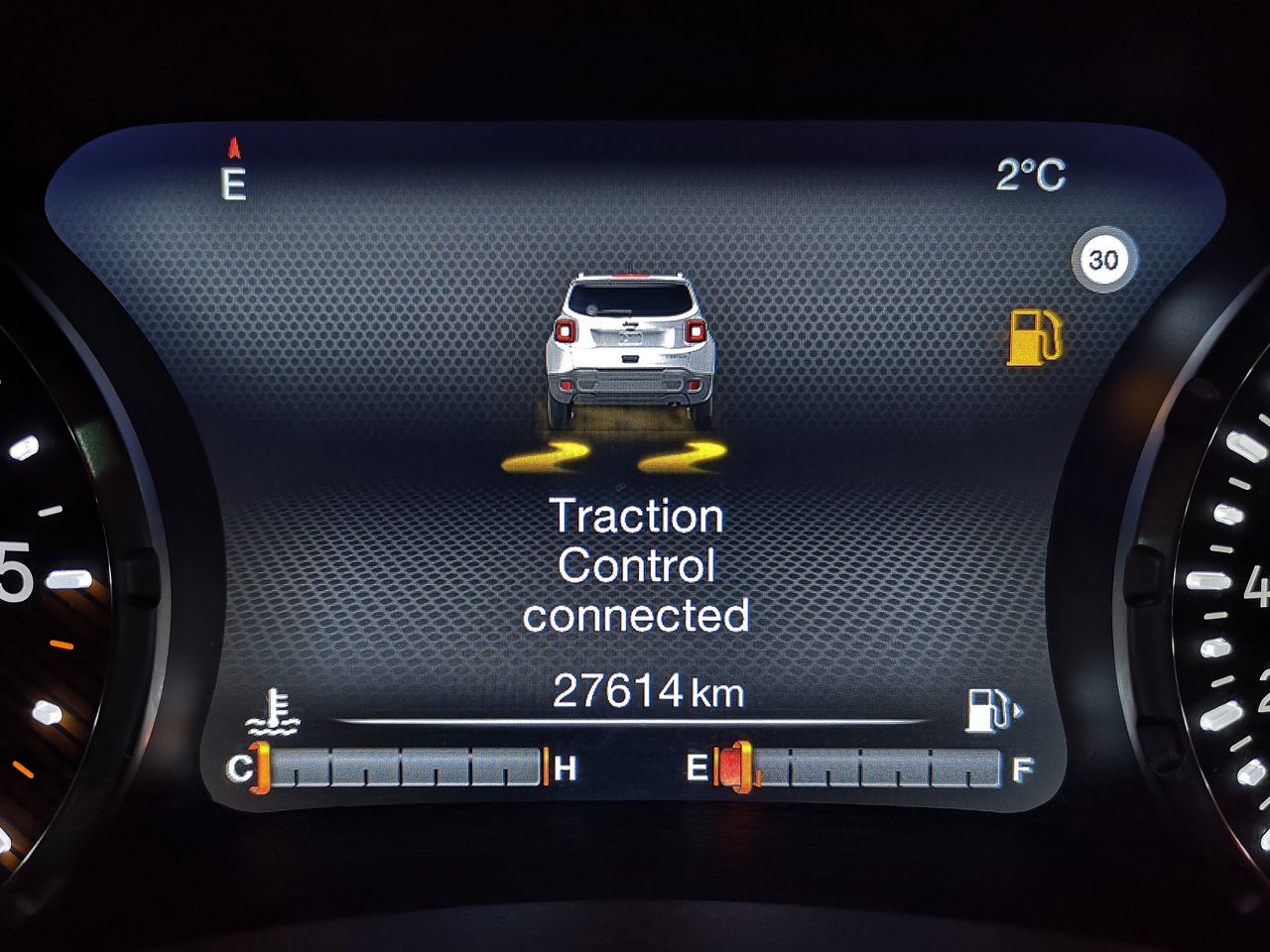
What is Traction Control System or TCS?
TCS, which stands for Traction Control System, is one of the most practical safety systems in cars. The new cars that are produced have a variety of possible technologies to ensure the safety of the car and the occupants. Follow us with the full introduction of the traction control system in Sepandkhodro.
Traction Control System
Traction Control System is a system that prevents the idler wheels from getting distracted when accelerating at standstill or from moving wheels. When the car starts to move, if we apply too much force to the car with too much gas, the wheels will be pulled to the ground and the tires will corrode.
This condition is called wastage and occurs especially on icy roads or when it is raining heavily on the wheels. Using the traction control system on the car solves the occurrence of penne problems and the tires do not get distracted.
When was the traction control system or TCS invented?
Although many car companies made efforts to produce this product, finally Mercedes Benz introduced the first example of this technology in 1971. So far, many famous brands have tried to produce a traction control system, but have not succeeded in producing a complete prototype.
Why does the car get distracted?
Most cars have an open differential system. When torque from the engine enters the gearbox, it is transmitted to the wheels by a differential. The free differential in cars is designed to prevent the car from deviating at the head of the corners to minimize the amount of deviation. If the car does not have an open differential, the torque is transmitted equally to both wheels when turning the corners. The car deviates easily from the main route.
The presence of an open differential system, especially in bad weather conditions and slippery roads, regulates the traction of the wheels well, and this prevents the car from moving when it is stationary or deviating.
Why does the car get distracted?
The importance of using a car traction control system
Car tire clutter may not seem like a big deal, but given the road conditions and the weather, the slightest deviation can cause serious problems. Of course, some confuse the performance of the ABS and TCS systems.
The ABS system is an auxiliary brake that prevents the wheels from locking immediately during braking and keeps the wheels on the road surface. There is such a problem while moving, and when the wheels slip due to lack of proper friction, the TCS system prevents the car from deviating.
The vehicle traction control system also leads to increased vehicle efficiency. In the presence of adverse weather conditions, the use of the TCS system helps the vehicle to move continuously and the balance is always maintained.
For example, in winter weather and the presence of snow and ice on the road, the more you gas the car, the more wasteful it will be. It may even cause the car to deviate and lose control of the driver soon.
How does the TCS or car traction control system work?
Vehicles with a TCS system prevent such a problem and provide good steering. Especially if you drive on apple roads on winter and snowy days, the presence of a traction control system will play an essential role in the full guidance of the car.
Under what conditions is the TCS system used?
The use of the TCS system is not limited to snowy and icy roads. On normal roads, this technology helps the driver to have more control over the car and to prevent the car from deviating when passing the corners if it is gassed too much.
The derailment control system prevents the car from deviating in both front and rear differential models by limiting the transmission power of the wheels. Of course, this system does not increase the car’s grip but moderates the situation slightly if the driver is unable to react quickly during the wandering.
The TCS system has many applications, especially in high-speed driving and even racing driving. Because when the driver presses the accelerator pedal, a lot of force is transmitted to the wheels and causes distraction. In this case, instead of moving, the car stands still and only leads to tire friction.
The traction control system in cooperation with ABS technology controls vehicle distraction. Vehicles with a TCS system have speed sensors on each wheel and are constantly monitored.
One or more wheels will accelerate when there is distortion in the car wheels. In such cases, the ECU reduces the torque sent to the vehicle through the throttle to transfer the maximum torque to the other wheels.
Then, using the ABS brake, it controls the speed of the wheels that have distortion so that the speed of all the wheels is equal to each other and the distortion is eliminated. The TCS system allows the least possible torque to be transmitted to the spinning wheel to balance the vehicle well.
Even if two wheels get distracted, the traction control system reduces the speed at both wheels at the same time to provide proper traction to the road. Of course, the TCS system should not be confused with EPS or ESC, both of which are part of TCS.