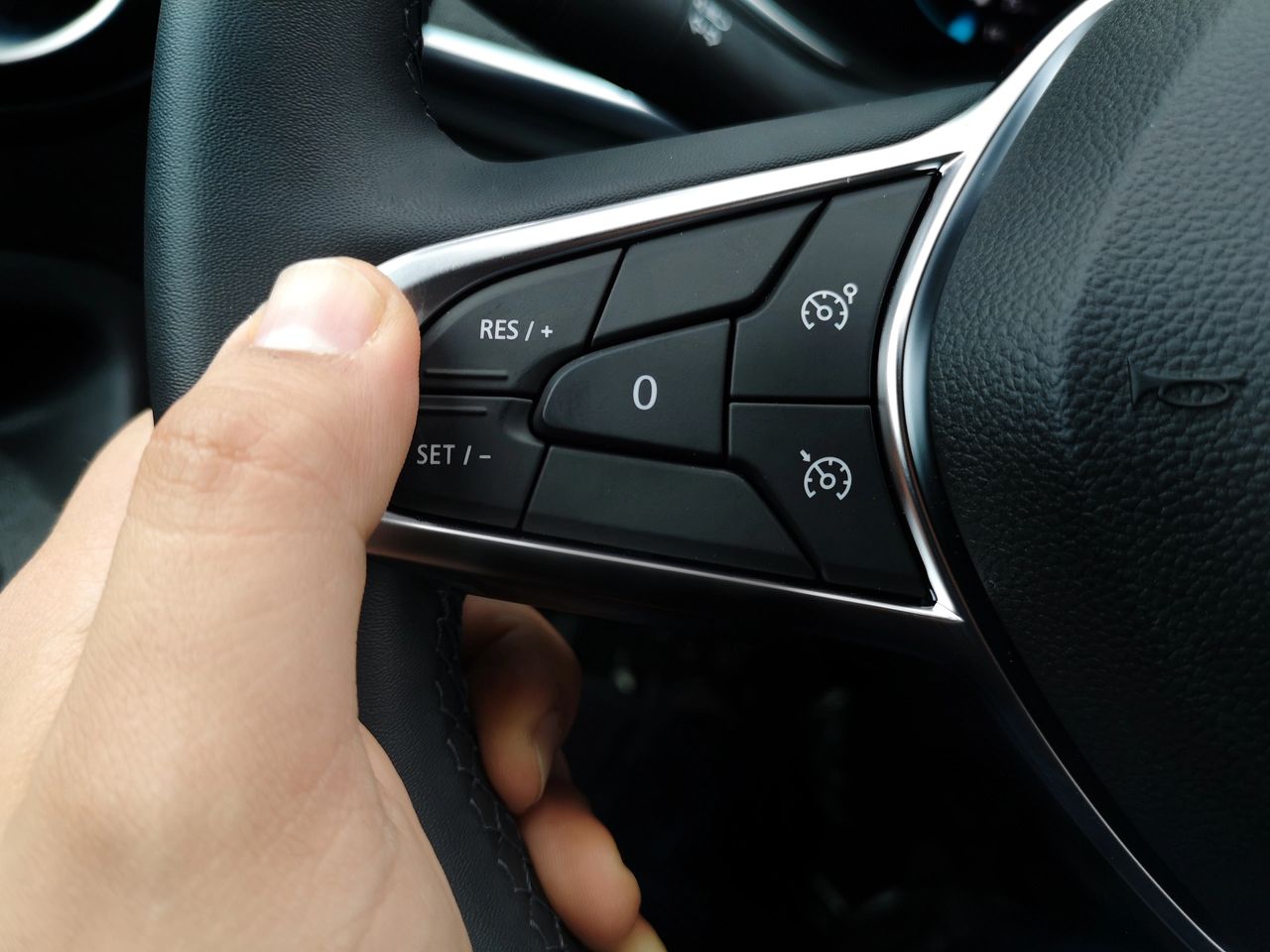
The cruise control system works by adjusting your desired speed through the cruise control buttons, you can keep the car at the same speed without pressing the accelerator pedal and only control the steering wheel.
Cruise control allows you to drive at a steady speed without having to depress the accelerator pedal, but if an obstacle or other vehicle is in your way, you should brake to prevent a collision. Over the years and advances in technology, the car cruise control system has improved and good and efficient features have been added.
In 1992, Mitsubishi first used unique cruise control in its vehicles. The systems used at the time detected vehicles or objects near the vehicle and alerted the driver. The driver also pressed the brake pedal with the warning he received and prevented the accident. The main difference between the early advanced cruise controls and the newer versions was in the type of braking, in the early versions the driver engaged the brakes, but in the newer and more advanced versions, the braking was done by the cruise control system itself.
In the early 21st century, well-known automakers such as Ford, Mercedes, BMW, Volkswagen, Toyota, and Audi designed their own systems that differed in the type of gear detection systems.
This advanced system used in cars is more commonly known as Adaptive Cruise Control (ACC). This option works by using detection systems and, if necessary, maintains a certain distance from the car in front and adjusts the car speed accordingly. Of course, it should be noted that this system may also be known by other names:
(Active Cruise Control), (Dynamic Cruise Control), (Radar Cruise Control), (Automatic Cruise Control), (Intelligent Cruise Control)
Detection systems are responsible for detecting the distance to the vehicle or the obstacle in front. These systems have major differences in the vehicles of different car companies, in which the way of distinguishing the distance is different from each other. The systems used in the cars are based on some electronic devices, all of which are listed below.
Radar
Systems that work accordingly have detection radars mounted on the front of the car and covered by a plastic frame. The radar used detects disturbing objects or other vehicles by sending waves around the vehicle and sends the necessary information to the ECU to control the vehicle.
Laser
This electronic device is placed in a black box and is placed in the grille and behind the car logo. In most cars that benefit from this technology, the car logo is designed to emit laser beams, through which the objects in front of the car are identified and the necessary data is sent to the car computer.
Binocular system
The intelligent cruise control receives field data from two cameras located behind the center mirror in these cars. The two cameras use the technology used in them to detect objects in front of the car.
Multi-Sensor Systems
These cars use several separate sensors that eventually, each of their data is collected together and provide a complete set of information from around the car to the computer. GPS sensors and cameras used in the car are among the data of these sensors.
Predictive system
In vehicles in which this system is used for cruise control, first, the movement of the surrounding vehicles is sent to the computer by the sensors used and the computer predicts the movement of the surrounding vehicles by examining the received data and accordingly Controls the car.
To activate the adaptive cruise control, the driver gives the system the maximum speed it intends, at which point the ECU activates the radars in the vehicle and starts working according to the condition of the vehicle and the obstacles or vehicles around it. . If there is no obstacle in the path of the car, the car will move at the speed requested by the driver, but if the obstacle or another car is sensed by the detection systems, the car will automatically brake and reduce the distance with It preserves the front object and does not require driver intervention. In some cars, the size of the distance to the car in front can be determined using the cruise control settings. For example, according to a person’s wishes, the minimum distance is set, which is always observed by the system with the car in front.
Advantages of adaptive cruise control
One of the most important benefits of adaptive cruise control is to increase the level of safety in cars, because cars that use this system always maintain a certain distance from the car in front, and this distance reduces the risk of accidents is greatly reduced. Another advantage of this system is the smoothing of traffic flow, which is caused by the activation of the system.
Adaptive Cruise Control Limits
The most important weakness of this system is manifested in bad weather conditions because the detection systems are confused in heavy rains, snow, and fog and do not provide the correct information to the computer. Of course, this problem can also occur when crossing the tunnel and the detectors do not send the correct information.