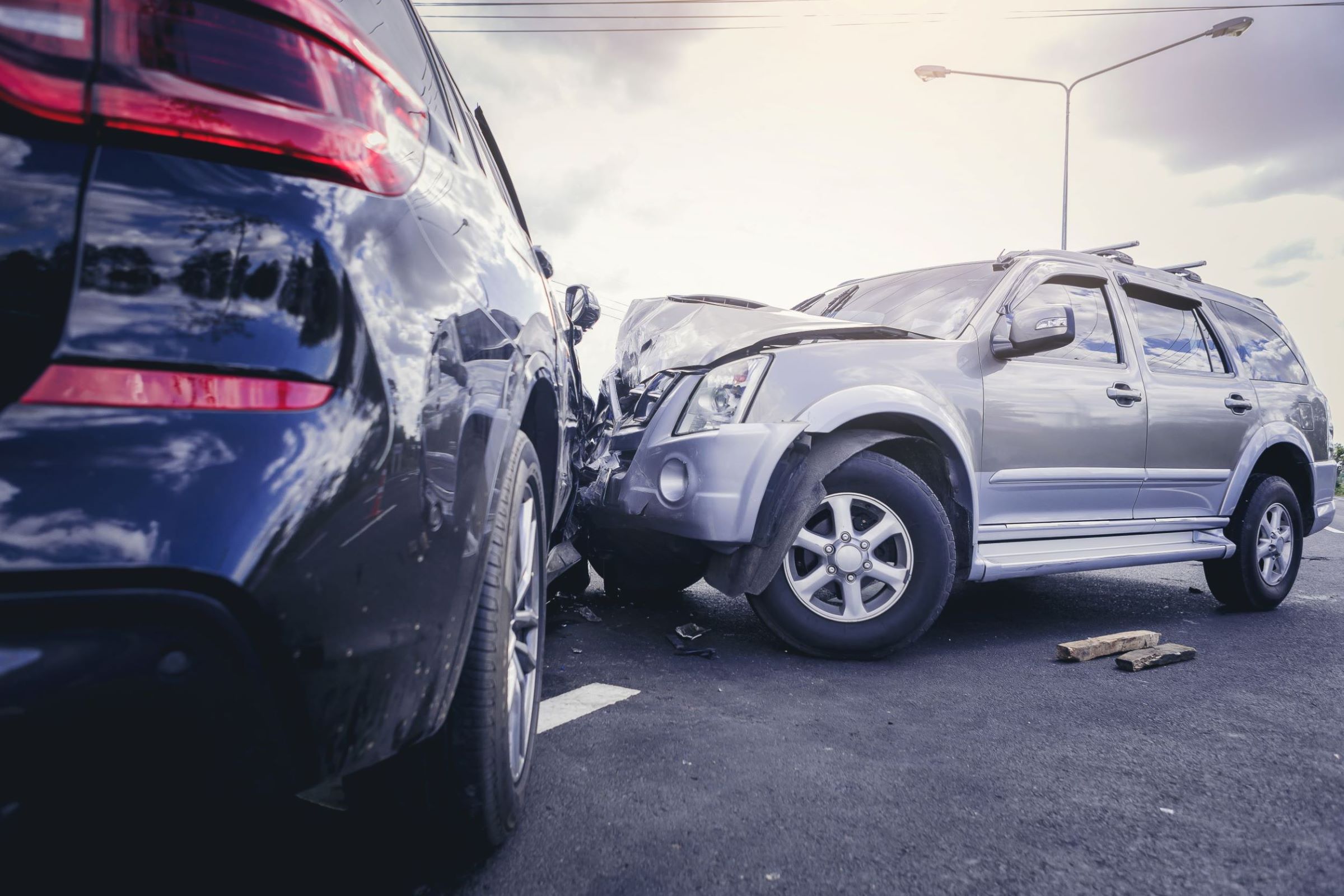
Whether we like it or not, Accidents are a part of driving. From minor accidents at the line of scratches to heavy accidents at high speeds, thousands of accidents occur daily on the roads and streets of the country. Since car accidents can cause not only financial but also life-threatening injuries, safe driving is very important to prevent accidents. Of course, there is no way to completely eliminate the risk of an accident while driving, but there are some things you can do to minimize this risk. You can always have safe and healthy driving just by adopting some strategies that help prevent accidents while driving.
The role of the driver in a car accident:
Almost all of us acknowledge that in most car accidents, human error plays a major role. Various studies have been conducted around the world and all of them emphasize this point. A 1979 study by the University of Michigan found that between 90 and 93 percent of car crashes were caused by human error. A 2008 report by the National Highway Traffic Safety Administration found that 93 percent of road accidents were caused by human error.
Take precautionary measures before starting to drive:
- Check the tire pressure regularly
Before starting to drive, make sure that all tires have sufficient air pressure. Driving a car with a flat tire or tires is very dangerous and in addition to having a negative effect on stability, it can also increase the chance of the tires bursting at any moment.
2. Pay attention to the dashboard warning lights
When you set the switch to On, most dashboard warning lights come on, confirming that various systems are activated. After a few seconds, these lights will go out. Avoid driving if any of the lights remain on. When a warning light stays on, it means that one of the car systems has malfunctioned and it is not safe to drive the car. Be sure to consult a skilled mechanic to resolve the issue.
3. Check the engine oil level regularly
If the amount of oil in the engine is too low, it will result in the engine overheating and eventually clogging, which will cost you a lot. Lift the hood every few weeks and make sure there is enough oil in the engine.
**When checking for engine oil, be sure to check the radiator fluid and brake fluid as well.
Take the necessary safety precautions while driving
1. Be careful while driving
When driving, many drivers only look in the opposite direction. Of course, due to the presence of other cars on the road, you should pay attention not only to the road but also to many other things. Check the center mirror and side mirrors regularly to always be aware of what is going on around the car. Of course, you should not take your eyes off the road for a long time, and on the other hand, staring at the road for a long time will only be dangerous while driving.
2. Check your blind spots
Be sure to check your blind spots when changing lanes. Many drivers do not check their blind spots because they believe they can use mirrors to see other cars around them. However, if you are not careful, a car or motorcycle that is in your blind spot and you do not see it may hit you when changing lanes. To prevent such accidents, always check your blind spots before changing lanes.
3. Use the signal light
Many serious accidents occur on highways when two cars collide sideways or from behind. To prevent such accidents, always give use signal lights before changing lanes. By using the signal light, you are informing other drivers of your intention to change lanes, and this can certainly prevent accidents in many cases.
4. Do not drive in the blind spot of another car
If you are in the blind spot of a car, the chances of the driver of that car being able to see you are very low. Even if they see you first, they are more likely to forget you altogether if you continue to drive in the blind spot. For this reason, you should regularly increase or decrease your distance from other vehicles so that you never fall into the blind spot of other drivers. By doing this, all other drivers moving around you will be aware of your presence and the chances of an accident will be significantly reduced.
5. Be aware of oncoming traffic
When crossing the intersection, be sure to pay attention to the cars on the opposite side. Sometimes some drivers skip the red light, so even when the light is green, you need to be careful.
**Warning: This is especially true when the headlights are green because some drivers increase their speed when the traffic lights turn yellow so that they do not fall behind the red lights.
6. Do not exceed the speed limit
Respect speed limits while driving. There is definitely a reason for imposing speed limits on a road or highway, and it is best to follow them. Even if you have a lot of faith in your steering and driving skills, to have safe and accident-free driving, be sure to respect the traffic rules, especially the speed limit.
7. Observe the appropriate longitudinal distance from the car in front
One of the most common car crashes is a rear-end collision with a car in front, which always happens due to not keeping enough distance. Always stay away from the car in front of you so if they push the brake hard and suddenly, you can slow down without crashing.
8. Do not forget your glasses or lenses
If you wear glasses or contact lenses, it is extremely important that you do not drive without them at all. If you have recently felt that your vision has decreased, be sure to visit an optometrist to prescribe appropriate glasses or contact lenses for you if necessary.
9. Drive more carefully at night
During the day, you may encounter drivers who drive very poorly, but at night, this can be much more complicated. The number of drivers who drive under the influence of drugs or alcohol usually increases at night. For this reason, be extra careful if you plan to drive at night.